

Earlier today, President Trump announced his administration is taking immediate steps to stop large institutional investors from buying single-family homes, while urging Congress to codify the ban into law. He stated, “People live in homes, not corporations.”
Stocks dropped immediately: Opendoor, Invitation Homes, Blackstone, and American Homes 4 Rent all fell more than 4%.
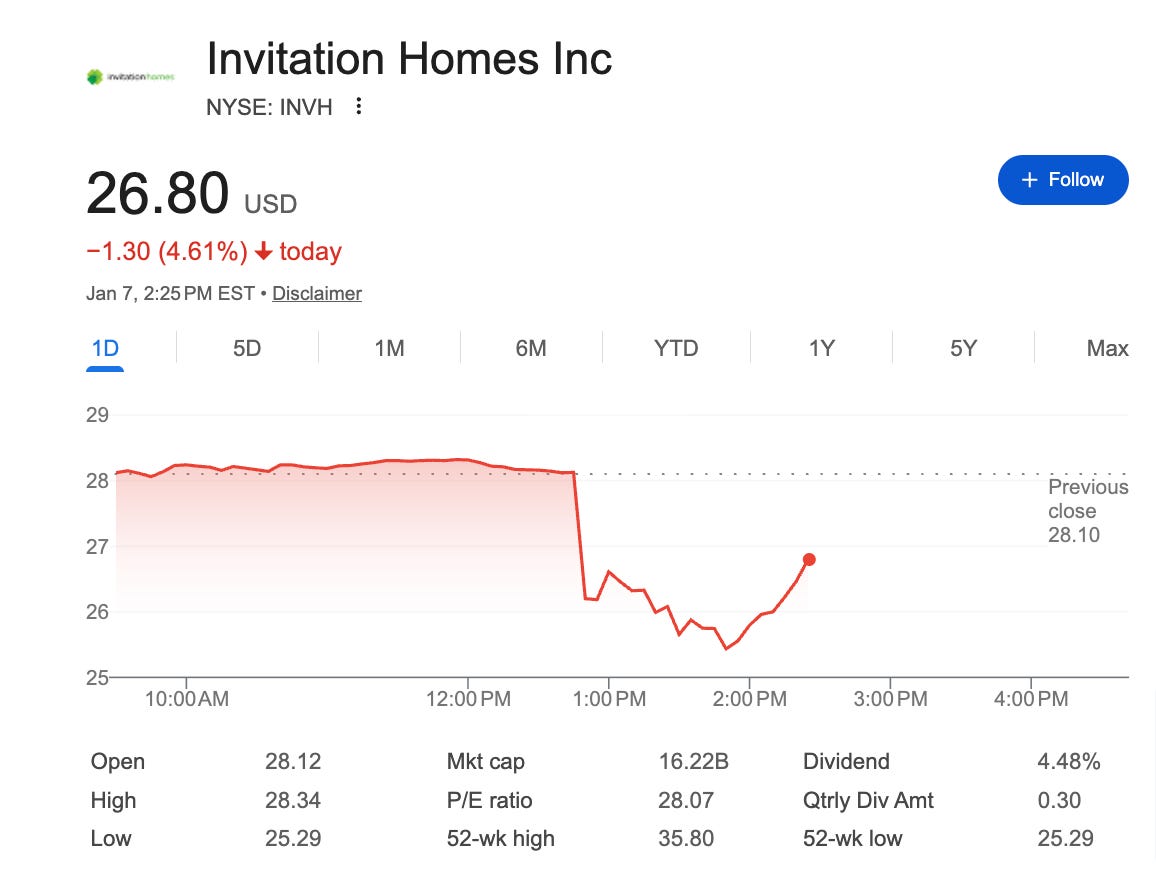
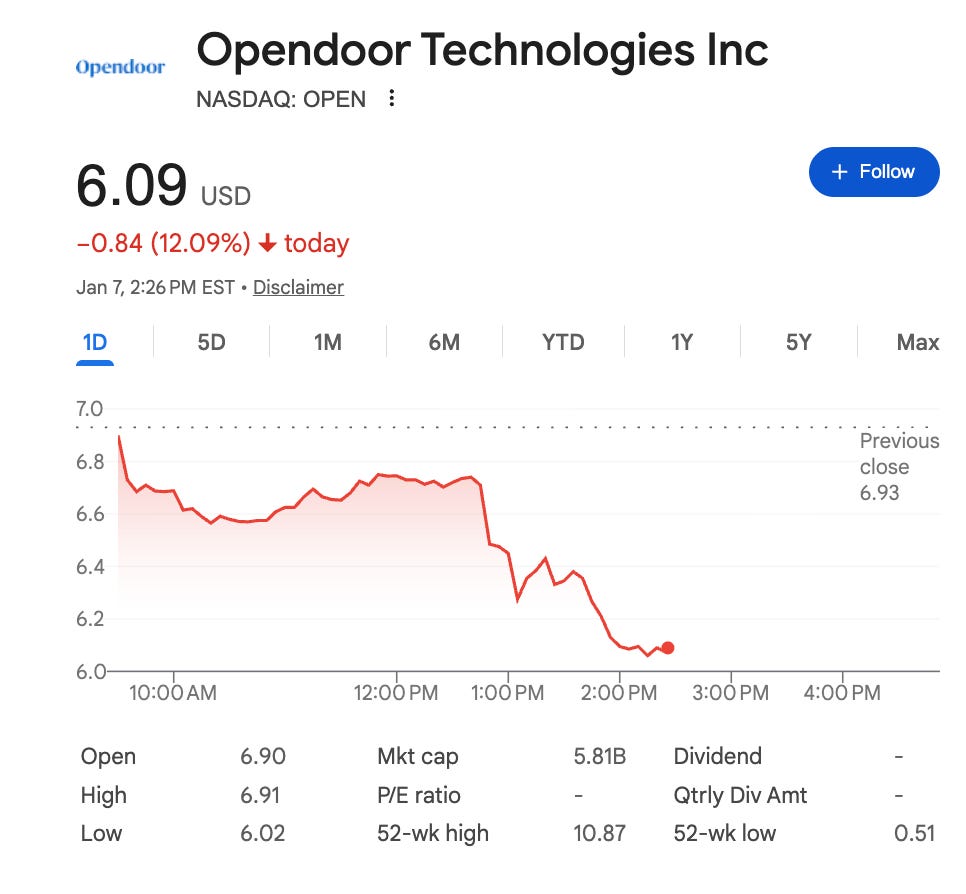
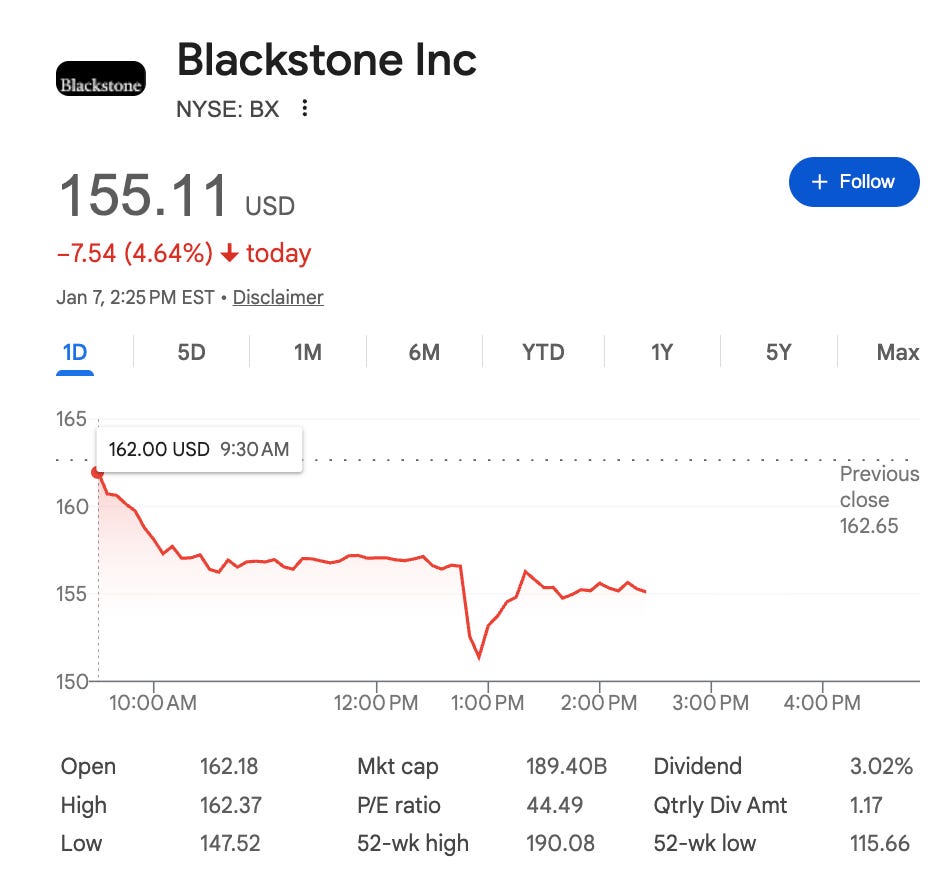
Who Is Likely To Be Impacted?
The administration hasn’t defined “institutional investor,” but two pieces of legislation offer likely thresholds.
The Stop Wall Street Landlords Act of 2024 defines it as any investor with net assets exceeding $100 million and the End Hedge Fund Control of American Homes Act sets the threshold at $50 million.
Assuming a portfolio has 50% debt and an average home value of $400,000, that means investors with ~500+ homes would be impacted. According to a report by the Government Accountability Office, there are 32 firms classified as institutional investors who own ~450,000 homes.
We calculate this number close to 500,000, but regardless it represents only 0.6% of the housing stock.
However, this is heavily concentrated in specific metros. Six firms are by far the largest, holding between 50,000-100,000 homes:
Blackstone: Following Blackstone’s 2023 merger of its Tricon Residential and Home Partners of America portfolios, the combined entity owns ~56,000 homes.

Pretium is heavily concentrated in core Sunbelt markets.

American Homes 4 Rent has more of a West Coast presence, but still strong in the core markets of FL, GA, and TX.
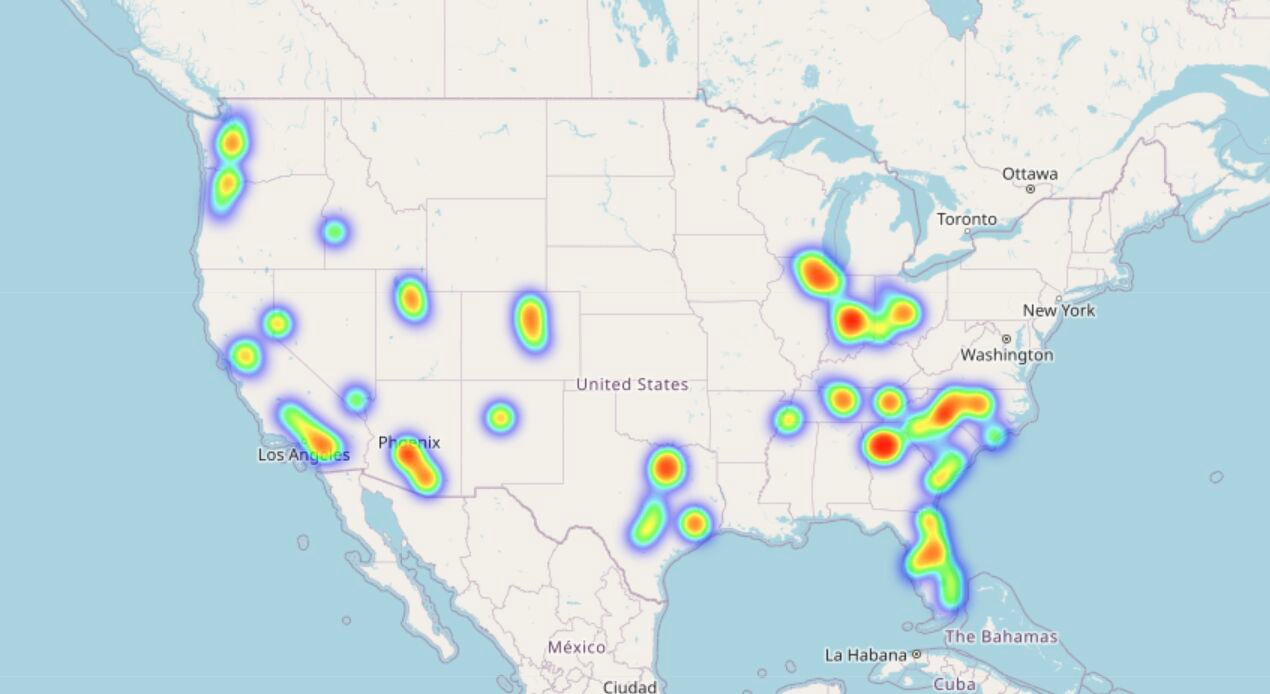
Invitation Homes, one of the earliest institutional investors, has a stronger West Coast footprint (largely from foreclosures acquired over a decade ago).

Amherst skews Midwest, but the same core markets appear.

First Key follows a similar pattern.

All six are heavily concentrated in the same metros. When looking at the US housing market as a whole, institutional homeowners have minimal impact; they own just 0.6% of housing stock and have largely stopped buying since 2022.
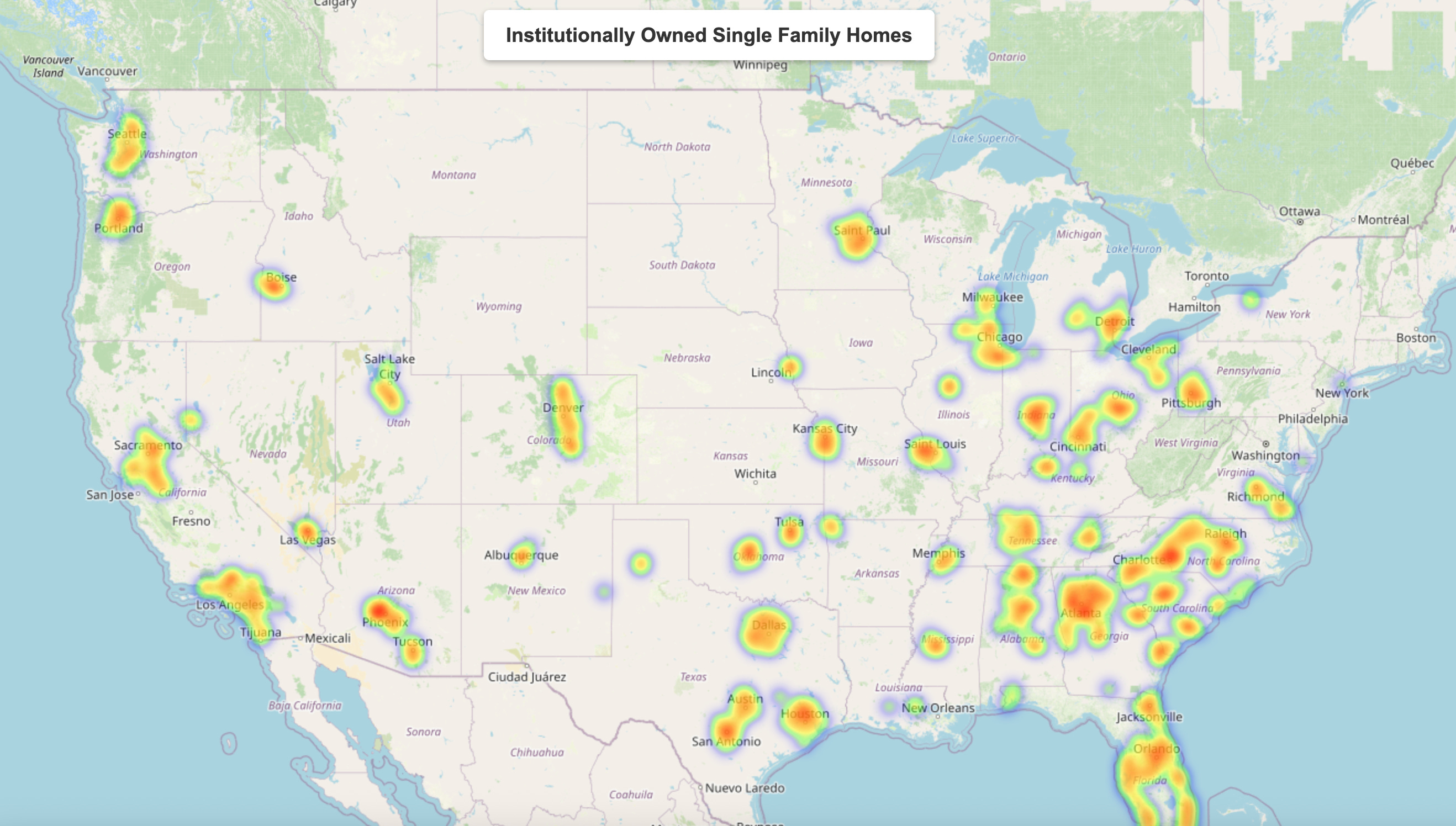
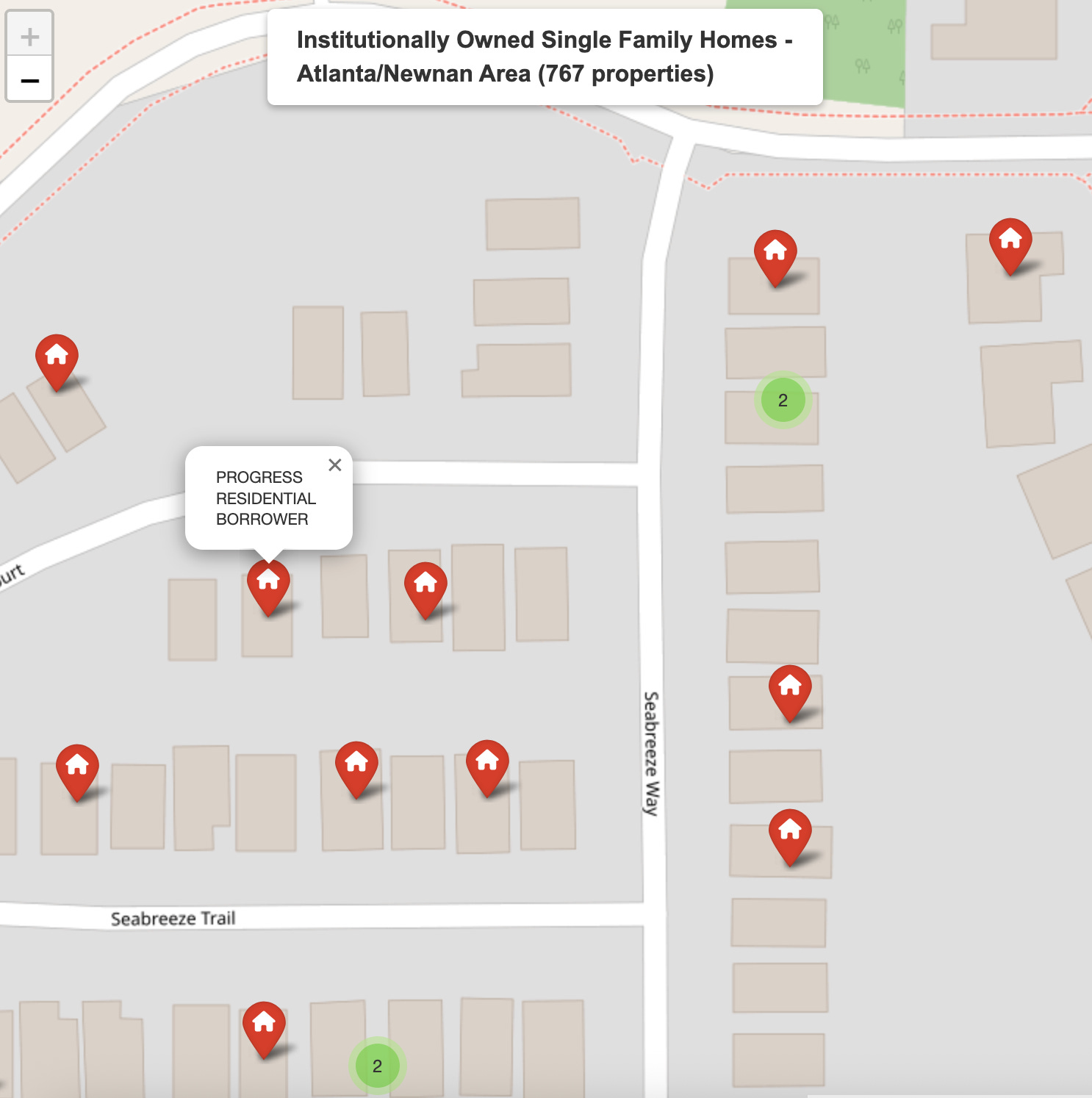
But at the local level, the picture is more nuanced. In markets with the heaviest institutional ownership (Atlanta, Charlotte, Phoenix), some individual neighborhoods have over half their homes owned by institutional investors.
However, that’s a highly localized problem that doesn’t materially impact affordability in Boston, San Francisco, Bozeman, and other markets where there’s effectively 0 institutional ownership.
Changing Environment
Since interest rates began rising in 2022, most institutional SFR investors have become net sellers, making the timing of this policy notable given that institutional buying has already largely halted.
In 2024, only 4 traditional institutional investors were in the top 10 homebuyers, purchasing relatively few homes. Most institutional investors have been net sellers over the last 3 years.

Who Actually Owns All The Single-Family Homes?
Of the 17 million single-family rentals, 66% are owned by landlords with just 1-2 properties, 18% by those with 3-5, and 5% by those with 6-10. Overall, 89% of rentals are held by small, local landlords.
As we wrote in a previous post, most markets have no institutional landlord presence and over 90% of the rental stock is from small, local landlords.
See The Row Level Data
Paid members can get access to a list of all homes owned by institutional owners (1,000+ single-family homes)